AI Code Review for Small Dev Teams: Faster, Safer Pull Requests
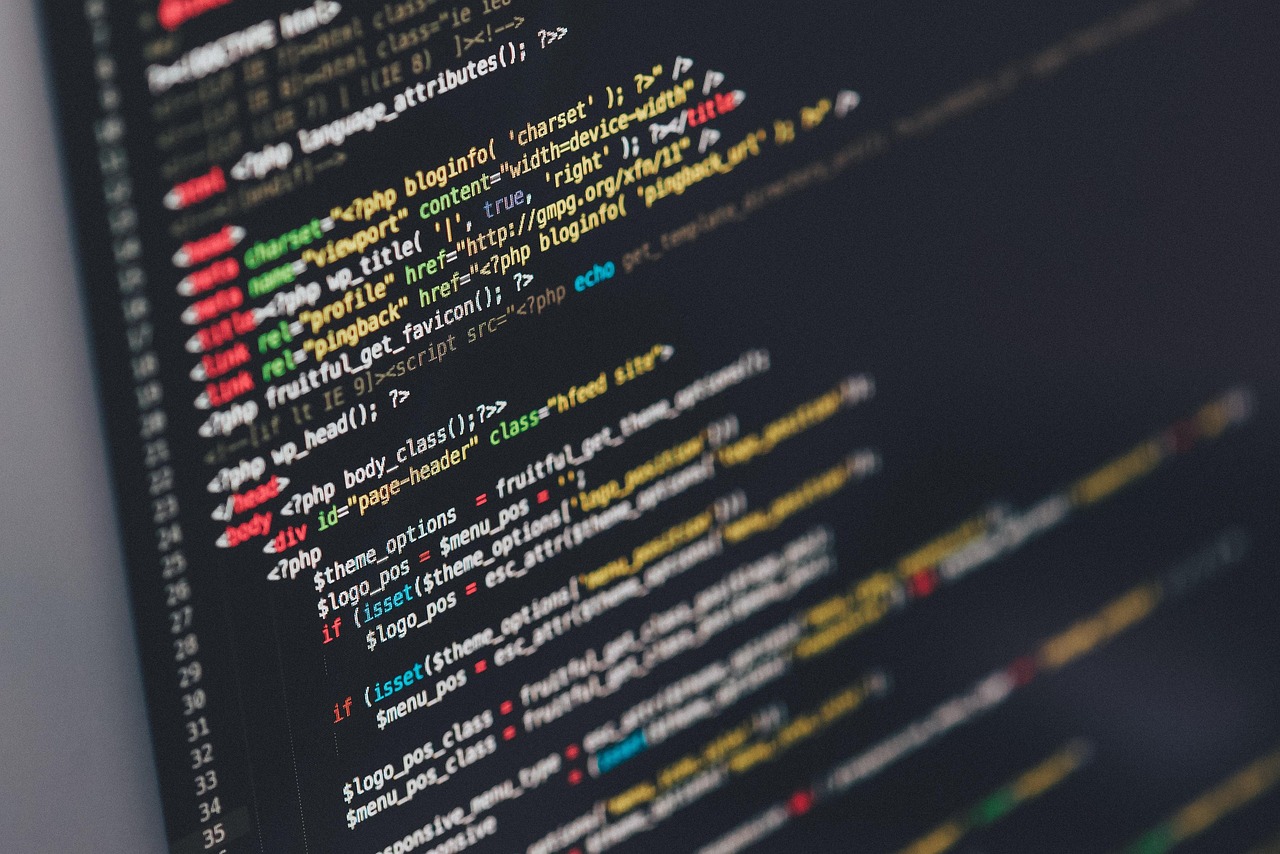
In a small engineering team, code review is both essential and painful. Essential, because a second pair of eyes catches mistakes, spreads knowledge and keeps quality consistent. Painful, because the same few senior people are asked to review everything while also shipping their own work. Pull requests sit waiting, context is lost and releases slip.
AI assisted code review has emerged as a way to ease that bottleneck. Used well, it gives every pull request a fast first pass, so human reviewers can spend their time on architecture, product logic and mentoring. Used badly, it floods developers with noise and creates false confidence. This guide explains how small teams can adopt AI code review sensibly, what to expect from it and how to keep control.
What AI Code Review Does Well (and What It Does Not)
Language models can read a code change, understand the surrounding files to a degree and comment on issues. In practice, they tend to be useful at:
- Spotting likely bugs: off by one errors, unhandled null values, missing awaits and incorrect conditions.
- Checking error handling: noticing when failures are swallowed or when retries and timeouts are missing.
- Flagging security smells: unsanitised input, secrets in code, weak validation and risky defaults.
- Finding missing tests: pointing out new logic that has no test coverage.
- Improving clarity: suggesting better names, simpler structure and clearer comments.
- Summarising changes: producing a plain language description that helps reviewers understand intent quickly.
They are weaker at judgment that depends on knowledge outside the diff: why a business rule exists, how a change affects other services, whether a design fits long term plans or whether the feature should exist at all. They can also be confidently wrong. Treat their comments as suggestions from a fast, tireless junior colleague, not as verdicts.
A Real World Example: A Four Person Product Team
Imagine a startup with four developers building a web app and a mobile app. Pull requests wait a day or more for review because the two senior developers are busy. Reviews are inconsistent: some are thorough, others are quick approvals.
The team adds an AI reviewer to their repository. When a pull request is opened, the tool posts a summary and a short list of comments within minutes. The author fixes obvious issues, such as a missing null check and an untested branch, before any human looks at the code. When a senior developer reviews, the code is already cleaner, and the discussion can focus on whether the data model supports upcoming features.
No part of this removes human responsibility. A person still approves every merge. The difference is that routine problems are caught earlier and cheaper. The improvements that come from this are illustrative; your own results will depend on the codebase, the tool and how it is configured, which is why measuring them is important.
Step by Step: Introducing AI Code Review Safely
- Write down your review standards. Document what a good pull request looks like in your team: size, description, tests, naming and security expectations. AI tools work best when they have clear criteria.
- Check data and security terms. Review how the vendor handles your code, whether it is stored or used for training, and what access it needs. Make sure secrets are never committed, and consider our guidance on software supply chain security for startups.
- Start in advisory mode. Let the tool comment without blocking merges. The goal for the first weeks is learning, not enforcement.
- Pilot on one repository. Choose an active project with a manageable size and a willing team.
- Customise instructions. Tell the tool about your stack, conventions, preferred libraries and common pitfalls. Specific instructions reduce generic comments.
- Limit noise. Cap the number of comments per pull request, focus on high severity issues first and turn off categories that developers keep dismissing.
- Combine with automated checks. Keep linters, type checks and tests in your pipeline. AI review complements, and does not replace, deterministic tools. If you are building that pipeline, see our guide to a CI/CD pipeline for startups with GitHub Actions.
- Collect feedback. Ask developers to react to each comment as helpful, not helpful or wrong. Review the pattern weekly in the first month.
- Decide where it becomes mandatory. Once the team trusts it, you may require that high severity findings be addressed or explicitly dismissed before merging.
- Review quarterly. Models and tools change quickly. Reassess whether the tool still fits and whether the instructions need updating.
What Humans Should Still Own
To avoid over reliance, be explicit about the things only people should decide:
- Architecture and design: whether an approach fits the system now and in future.
- Product behaviour: whether the change actually solves the user problem.
- Security sign off: particularly for authentication, payments and personal data.
- Risk assessment: whether a change is safe to release and how to roll it back. Pairing code review with feature flags for safe, gradual releases gives extra protection.
- Mentoring: explaining why a pattern is preferred, which builds team skill in a way automated comments cannot.
Writing Better Pull Requests for Both Humans and AI
AI review quality improves when pull requests are well formed. Encourage these habits:
- Keep changes small and focused on one purpose.
- Write a description that explains why the change exists, what it does and how it was tested.
- Link the ticket or requirement so reviewers can check intent.
- Separate refactoring from behaviour changes.
- Add or update tests alongside the code.
These habits help human reviewers just as much. They are also a sign of a healthy engineering culture, which investors notice during diligence, as we discuss in our article on technical due diligence and investor code reviews.
Key Benefits for Small Teams
- Faster feedback. Authors get comments within minutes rather than waiting for a busy colleague.
- More consistent quality. The same checks apply to every pull request, whether it is opened on a Monday morning or a Friday evening.
- Better use of senior time. Experienced developers spend less effort on routine remarks and more on design and mentoring.
- Learning for newer developers. Explanations attached to suggestions help juniors understand patterns and pitfalls.
- Stronger documentation. Automatically generated summaries make changes easier to understand later.
Risks and How to Manage Them
- False confidence: a clean AI review does not mean the code is correct. Keep human approval mandatory.
- Noisy or wrong comments: tune the tool, limit volume and let developers dismiss comments quickly.
- Confidentiality: understand where your code goes. Use enterprise or self hosted options for sensitive projects.
- Prompt injection: comments or files in a repository can contain text that tries to manipulate an AI reviewer. Do not give review tools permissions beyond reading and commenting. Our article on defending AI agents against prompt injection explains the principle.
- Style drift: if suggestions conflict with your conventions, update the instructions rather than accepting inconsistent code.
- Skill atrophy: make sure developers still read and reason about code rather than blindly accepting changes.
How to Measure Whether It Is Working
Choose a small set of metrics and record a baseline before the trial begins. Useful measures include time to first review, time from open to merge, the number of review rounds per pull request, the share of AI suggestions that developers accept and the number of defects found after release. Also gather simple qualitative feedback by asking the team whether reviews feel more useful and less tedious. If the numbers and the feedback do not improve after a fair trial, change the configuration or drop the tool. There is no obligation to keep it.
Getting Help Building Your Engineering Workflow
Good review practice sits inside a wider delivery system: testing, pipelines, monitoring and release management. If you want help setting that up, or want to build AI features into your own product, see our AI development services and get in touch with the team.
A Sample Rollout Plan for the First Six Weeks
A phased plan keeps expectations realistic and gives the team room to adjust. Here is one way to structure the first six weeks.
- Week 1: agree the review standards, confirm security terms and pick the pilot repository.
- Week 2: enable the tool in advisory mode with a short list of checks, and share a one page guide on how to respond to its comments.
- Weeks 3 and 4: collect reactions on every comment, remove noisy rules and refine the instructions with examples from your codebase.
- Week 5: compare time to first review and time to merge against the baseline, and hold a short retrospective with the whole team.
- Week 6: decide whether to expand to other repositories, keep it advisory or adjust the scope.
Throughout the pilot, keep a short log of cases where the tool caught a real problem and cases where it was wrong. Those examples are the most persuasive evidence for the team, and they are also the best material for improving the instructions. Be willing to stop if the tool is not helping. The point is better software and a calmer review process, not adoption for its own sake.
Conclusion
AI code review is best understood as a fast first reviewer that makes human review more focused. Adopt it with clear standards, careful data handling, advisory mode first and honest measurement. Keep people responsible for design, security and approval, and let the tool handle the routine checks that slow everyone down. For a small team, that balance can mean quicker merges and fewer surprises in production.
Frequently Asked Questions
- Can AI code review replace human reviewers?
- No. AI is good at catching routine issues, inconsistencies and some bugs, but humans are still needed for design decisions, product context, security judgment and mentoring.
- What should AI review tools check?
- Common targets are likely bugs, missing tests, error handling, security smells, style inconsistencies, unclear naming and gaps between the code and the pull request description.
- Is it safe to send our code to an AI service?
- It depends on the vendor and your agreements. Review data retention, training and access terms, exclude secrets from repositories, and use self-hosted or enterprise options for sensitive code.
- How do we avoid noisy comments?
- Start with a narrow set of checks, tune the instructions to your codebase, limit comments per pull request and let developers mark suggestions as helpful or not.
- How do we measure whether it helps?
- Track time to first review, time to merge, bugs found after release and how often developers accept suggestions. Compare these before and after a trial period.