Razorpay vs Cashfree vs Stripe: Pick a Payment Gateway in India
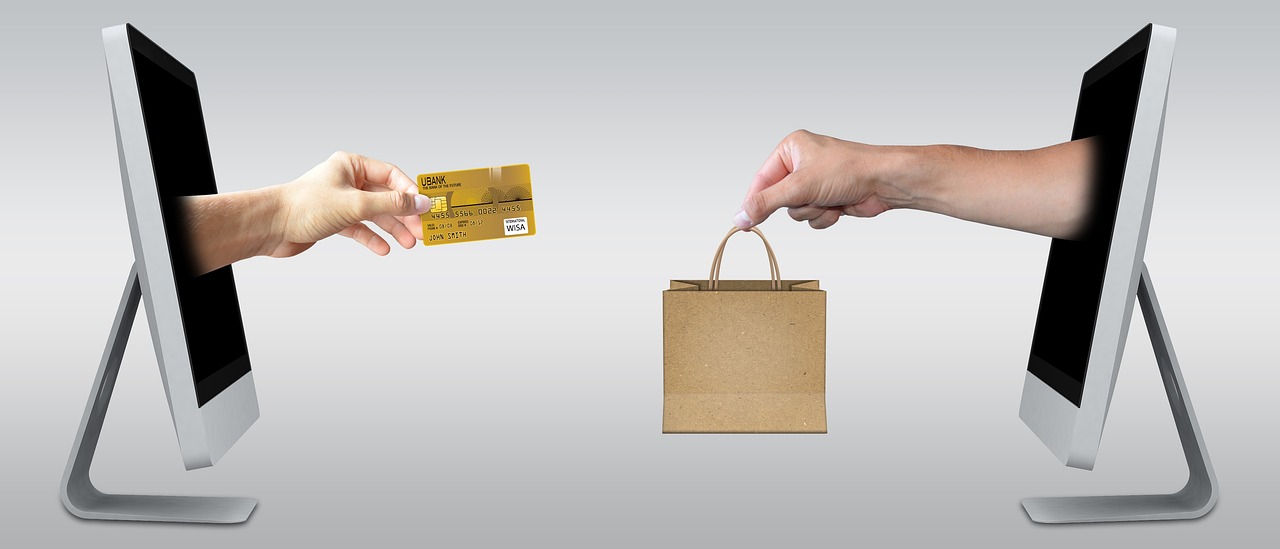
Choosing a payment gateway feels like a small decision when you are building the first version of a product. It is not. The gateway shapes your checkout experience, your refund process, your reconciliation work and how quickly cash reaches your bank account. Changing it later means touching orders, subscriptions, invoices and customer trust all at once.
This guide compares three names that Indian founders shortlist most often: Razorpay, Cashfree and Stripe. We will not crown a winner, because the right answer depends on your product. Instead, we will give you a decision framework, a hypothetical example, a step-by-step selection process and the integration habits that keep payments boring, which is exactly what you want them to be.
A payment gateway is not a checkout button. It is a long-term operating partner for your cash flow.
What a gateway actually does for your business
At its simplest, a gateway collects a payment method from your customer, asks the bank or network to authorise it, and tells your system whether it worked. Around that core sit many other jobs: handling UPI intents and collect requests, storing cards safely through tokenisation, running recurring mandates, issuing refunds, splitting money between parties and producing settlement reports your accountant can read.
When founders compare gateways, they usually start and end with the transaction fee. Fees matter, but they are one line in a longer list. A slightly cheaper gateway that fails more often on mobile UPI flows, or that needs a manual process for every payout, can cost far more in lost orders and team time.
How the three options differ in practice
Razorpay
Razorpay is widely used by Indian startups and offers a broad product suite beyond basic checkout: payment links, subscriptions, route-style splits for marketplaces, payouts and invoicing tools. Teams like the extensive documentation and the large community, which makes it easier to find answers and experienced developers.
Cashfree
Cashfree is also built around Indian payment behaviour and is often considered when payouts, vendor settlements or fast disbursement workflows matter. If your business pays out money as often as it collects it, such as a delivery platform, gig marketplace or reimbursement tool, look closely at the payout products and their limits.
Stripe
Stripe is known for its clean APIs, strong billing and subscription tooling, and excellent developer experience. It is a natural fit if you sell software to customers abroad and need to accept international cards and manage tax and invoices across regions. Availability and features for Indian businesses have changed over time, so verify current onboarding rules and supported payment methods on Stripe's own documentation before you commit. If you are leaning this way, our guide to Stripe subscription billing integration covers the technical side in more detail.
The comparison criteria that really matter
Rather than reading feature tables, score each gateway against the criteria below using your own product. Keep this scorecard in a shared document so everyone can see why a decision was made.
- Payment methods your customers use: UPI, cards, netbanking, wallets, EMI and pay-later options. Look at what your target customers actually pay with, not what the gateway advertises.
- Settlement speed and cycle: How many days until money lands in your account, and can that change as your account history grows?
- Recurring payments: If you charge monthly, check support for mandates, retries on failed charges and customer-managed payment methods.
- Payouts and splits: Required for marketplaces, aggregators and any platform that pays third parties.
- International acceptance: Currency support, cross-border rules and documentation required.
- Developer experience: SDK quality, sandbox realism, webhook tooling and clarity of error messages.
- Support and escalation: What happens when a payment is stuck at 11 PM on a sale day?
- Reporting and reconciliation: Can finance match every bank credit to an order without a spreadsheet marathon?
A real-world style example: a subscription tool with a marketplace twist
Consider a hypothetical product, a booking platform for home tutors. Parents pay monthly subscriptions, and tutors receive their share every week. This scenario is illustrative, not a reported client result, but it shows how requirements pull in different directions.
The parent side needs UPI autopay, card payments and clear failed-payment recovery. The tutor side needs split settlements, a clear commission record and a payout schedule that finance can audit. A team that picked a gateway only on checkout fees might discover three months later that tutor payouts require a separate manual process, and that reconciliation takes a full day each week.
A better approach is to write down both money flows first, on one page, with arrows. Money in, money held, money out, money refunded. Then check each provider against every arrow. In this example, the team might choose one provider for collection and payouts, or split the roles across two, and design a payment layer so either can be swapped.
Our step-by-step selection process
Use this numbered process to move from a long list to a confident decision in about a week.
- Map your money flows. Draw every way money enters, moves and leaves your product, including refunds, chargebacks and GST invoices.
- List must-have payment methods. Ask five real customers how they pay for similar products. Do not rely on assumptions.
- Shortlist two providers. More than two creates comparison fatigue. Use the scorecard above to pick.
- Start KYC early. Submit business documents to both while you prototype. Approval timelines are the most common cause of late launches.
- Build a spike integration. Spend a day or two integrating each in test mode. Note how clear the docs are and how realistic the sandbox feels.
- Test the ugly paths. Failed payments, closed browser tabs, duplicate clicks and delayed webhooks tell you more than the happy path.
- Review settlement and reports. Ask your accountant to look at sample reports and confirm they can reconcile from them.
- Decide, document and wrap in an abstraction. Record why you chose the provider and keep provider code behind your own interface.
Integration habits that prevent expensive mistakes
Trust webhooks, not the browser
A customer can close the tab after paying, lose network or hit back. If your order only completes when the browser returns to a success URL, you will end up with paid orders marked pending. Treat the verified webhook as the source of truth and have a background job that checks the status of any payment still pending after a few minutes. Our article on designing reliable webhooks with retries and signature checks explains how to build this layer safely.
Make every request safe to repeat
Networks retry, and impatient users double-click. Without protection, one order can create two charges. Use unique references per order and handle repeated events gracefully. We cover the pattern in our write-up on idempotency keys that prevent double charges.
Keep a thin payment layer
Define a small internal interface with methods like create payment, fetch status, refund and handle event. Implement it once per provider. Your orders, invoices and reports talk to your interface, never to a provider SDK. If you later add UPI-specific flows, as covered in many UPI integration guides, they slot in without rewriting the rest of the app.
Store references, not card data
Never store raw card numbers. Save the provider's payment and customer IDs, amounts, currency and status. This keeps your compliance burden small and your database less attractive to attackers.
Key benefits of choosing deliberately
- Fewer failed payments: Matching methods to customers lifts completion without any marketing spend.
- Faster finance close: Clear reports and consistent references let finance reconcile in hours rather than days.
- Lower switching cost: A thin payment layer turns a painful migration into a contained project.
- Fewer support tickets: Reliable webhooks and status checks mean fewer "I paid but nothing happened" messages.
- Room to grow: Subscriptions, payouts and international sales are easier when the provider supports them from the start.
Common mistakes to avoid
- Choosing on headline fee alone and ignoring payout, refund and support costs.
- Waiting until the build is complete to start business verification.
- Marking orders as paid from a client-side callback.
- Skipping refund and partial refund testing until a real customer needs one.
- Hard-wiring one provider's objects into your database schema.
When to bring in a specialist
Payments touch money, legal obligations and customer trust, so a small error has an outsized cost. If your product involves subscriptions, marketplaces or regulated flows, it is worth having an experienced team design the payment architecture before you write code. Mavani Solution builds these systems as part of our web development services, and we have particular depth in fintech products where reliability and audit trails are non-negotiable.
Conclusion
Razorpay, Cashfree and Stripe are all capable platforms. The right one for you is the one that fits your customers, your money flows and your team, and that you can integrate cleanly and replace if needed. Start by drawing your money flows, shortlist two providers, test the awkward scenarios, and wrap whichever you pick in a thin internal layer. Do that, and payments become a quiet, dependable part of your product instead of a recurring fire drill.
Frequently Asked Questions
- Which payment gateway is best for an Indian startup?
- There is no single best option. Razorpay and Cashfree are built around Indian payment methods such as UPI, netbanking and RuPay cards, while Stripe is strong for developer experience and international billing. Match the gateway to your customers, your payout needs and your product type, then confirm current availability and pricing on each provider's site.
- Can I use more than one payment gateway in the same app?
- Yes. Many teams keep a primary gateway and a backup, or use one for domestic payments and another for international cards. This works best when you put a thin payment layer in your own code so the rest of the app never talks to a provider directly.
- How long does payment gateway onboarding take?
- It depends on your business type and how complete your documents are. Plan for several days to a few weeks, and start the KYC process before development ends so that go-live is not blocked by paperwork.
- Do I need webhooks if the checkout already shows a success screen?
- Yes. The success screen only tells you what the browser saw. Webhooks are the reliable signal that a payment actually settled, so your order status should change only after a verified webhook or a server-side status check.
- What should I test before launching payments?
- Test failed payments, abandoned checkouts, duplicate clicks, delayed webhooks, partial refunds and expired payment links. Run these in the provider's test mode first, then do one small real transaction in production before opening the doors.