UTM Tagging Conventions: Clean Campaign Tracking for Growing SMEs
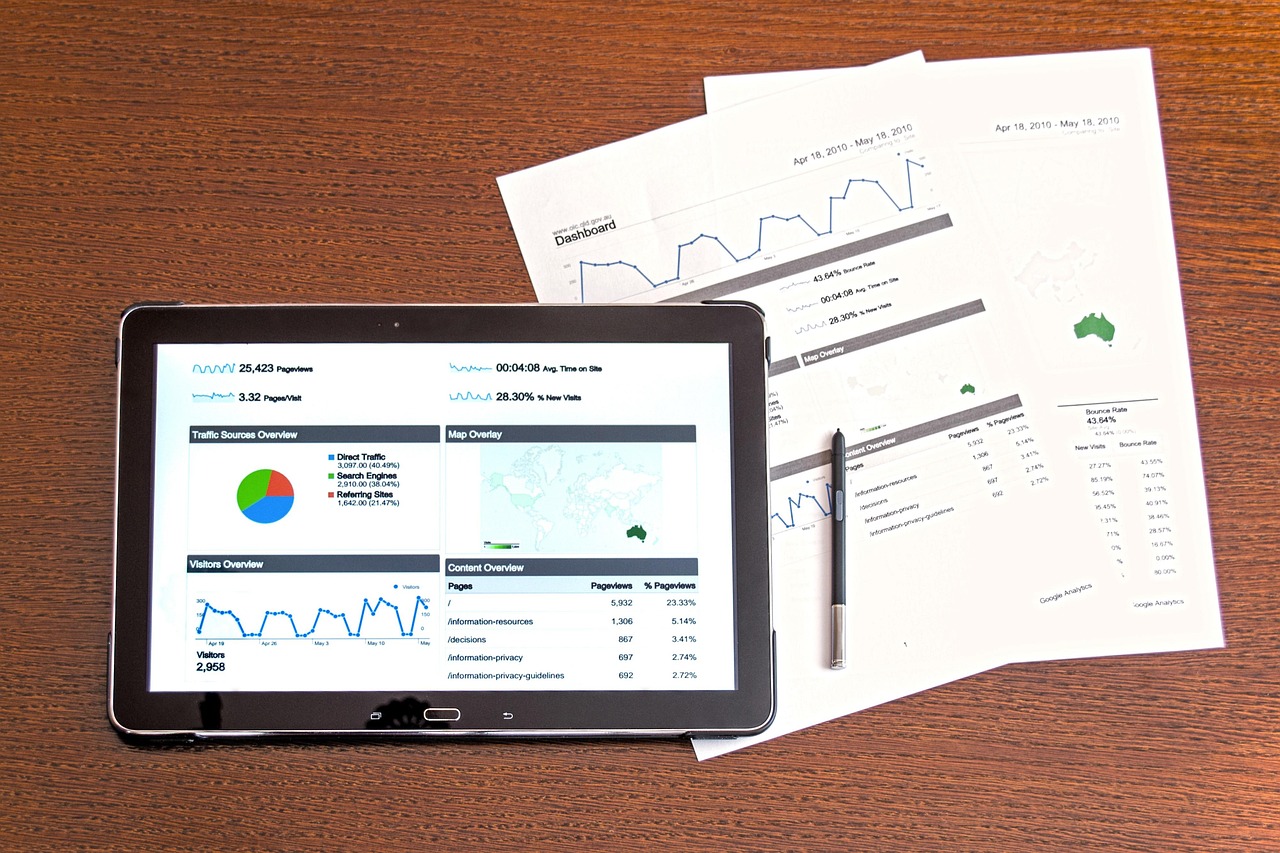
Ask a growing business which marketing channel brings its best customers and you will often hear a hesitant answer. The reports exist, but they are full of near-duplicates: "Facebook," "facebook," "fb," "FB_Ads" and "meta" all listed as separate sources. Campaigns are named after whoever created them. Half the WhatsApp traffic shows up as "direct."
The cause is almost always the same: inconsistent UTM tagging. UTM parameters are simple, but without shared rules every person and agency invents their own. This guide shows how to set up UTM conventions that keep your campaign data clean, plus how to carry that data into your CRM so you can connect marketing spend to real revenue.
A Quick Refresher on UTM Parameters
UTM parameters are tags appended to a URL that analytics tools read when someone clicks the link. The five standard parameters are:
- utm_source: where the traffic comes from, such as google, facebook, newsletter or partner name.
- utm_medium: the type of channel, such as cpc, paid_social, email, social or referral.
- utm_campaign: the specific campaign or initiative.
- utm_content: optional, to tell apart ad creatives, links or placements.
- utm_term: optional, often used for paid search keywords or audience names.
A tagged link looks like this: https://example.com/offer?utm_source=facebook&utm_medium=paid_social&utm_campaign=diwali_sale_2026.
Why UTM Data Gets Messy
- Case sensitivity: most analytics tools treat "Email" and "email" as different values.
- No shared vocabulary: one person writes "newsletter," another "email," another "mailchimp."
- Free-form campaign names: spaces, special characters and inconsistent date formats make filtering hard.
- Untagged channels: WhatsApp messages, QR codes, PDFs and SMS often go out with plain links and get recorded as direct traffic.
- Tagging internal links: UTM tags on your own site's banners can overwrite the real source of a visit.
In Google Analytics 4, mismatched medium values can also cause traffic to fall into an "Unassigned" channel group, since the default channel grouping relies on recognised source and medium values.
Designing Your UTM Convention
A good convention is short enough that people actually follow it. Here is a practical starting set of rules:
- Lowercase only, everywhere, always.
- Underscores instead of spaces, and no special characters.
- A fixed list of allowed mediums, for example: cpc, paid_social, email, social, referral, affiliate, whatsapp, sms, qr, display.
- A fixed list of sources per medium, for example google and bing for cpc, facebook, instagram and linkedin for paid_social.
- A campaign name pattern, such as [objective]_[offer-or-theme]_[yyyymm], giving names like leadgen_free_audit_202611.
- utm_content for creative or placement, such as video_testimonial or carousel_v2.
Write the rules on one page and share it with everyone who creates links, including agencies and freelancers.
A Real-World Example: A Clinic Chain Running Many Channels
Consider a group of dental clinics promoting appointments through Google Ads, Instagram, a monthly email newsletter, WhatsApp broadcasts, printed flyers with QR codes and partnerships with local gyms. Each channel is managed by a different person or agency, and the monthly report lists dozens of sources, many of them variations of the same thing.
A cleaner setup for a business like this could include:
- A one-page convention document with the allowed mediums and sources.
- A shared link builder (a simple spreadsheet with dropdowns, or a small internal tool) that generates tagged links and logs every one created.
- Unique QR codes per flyer batch, each pointing to a tagged URL with utm_medium=qr and the clinic location in utm_content.
- Tagged links in every WhatsApp broadcast, using utm_source=whatsapp and utm_medium=whatsapp or a medium value mapped in a custom channel group.
- Hidden form fields capturing UTM values so every appointment request in the CRM shows its campaign.
With this in place, management could compare not just which channel brings clicks, but which brings booked and completed appointments. For example, a channel that looks modest on traffic might turn out to produce a high share of completed visits, which would change how the budget is split.
Step-by-Step: Rolling Out UTM Conventions
- Audit current data. Export the last few months of source, medium and campaign values from your analytics tool. Group the variations to see where the mess comes from.
- Define the rules. Agree on the allowed mediums, sources and campaign naming pattern. Keep the list short and practical.
- Build a link builder. Create a spreadsheet or small web form with dropdowns for medium and source, which outputs a tagged URL and logs it. Dropdowns prevent typos better than any guideline.
- Tag every outbound channel. Include email, WhatsApp, SMS, QR codes, social bios, partner links and PDFs. Paid platforms can often append parameters automatically through URL templates.
- Stop tagging internal links. Replace UTMs on internal banners with event tracking. Our guide to building an analytics tracking plan with clear event names covers how to set that up.
- Capture UTMs into your CRM. Store landing UTM values in a first-party cookie, then pass them into hidden form fields. Consider storing both first-touch and last-touch values.
- Configure channel groups. In GA4, create a custom channel group so mediums like whatsapp and qr appear as their own channels rather than "Unassigned."
- Train and review monthly. Share the rules with every team member and agency, and review new values each month. Fix and document any stray tags quickly.
Going beyond the browser
Ad blockers, privacy settings and in-app browsers can stop some client-side analytics from firing. Capturing UTMs at the form level and sending conversions server-side makes your data more resilient. If you are setting that up, read our guide to server-side tracking and conversions APIs.
Example UTM Values for Common SME Channels
To make the convention concrete, here is how a typical Indian SME might tag its most common channels. Adapt the names to your business, but keep the structure consistent.
- Google Ads search: source google, medium cpc, campaign named by objective and month, with utm_term filled automatically from the keyword.
- Meta ads: source facebook or instagram, medium paid_social, utm_content set to the creative name so you can compare videos against images.
- Email newsletter: source newsletter, medium email, campaign named after the edition, utm_content describing the link position such as header_button or footer_link.
- WhatsApp broadcast: source whatsapp, medium whatsapp, campaign named after the broadcast theme.
- Printed QR code: source flyer or the event name, medium qr, utm_content set to the location or print batch.
- Partner or affiliate link: source set to the partner's short name, medium referral or affiliate, campaign named after the partnership.
- Organic social posts: source linkedin, instagram or youtube, medium social, campaign named after the content series.
When paid traffic lands on dedicated pages, the landing page itself matters as much as the tag. Our guide to Google Ads landing pages for Indian service businesses covers how to turn those tagged clicks into enquiries.
First Touch, Last Touch and Why Both Matter
A single visitor might first discover you through an Instagram reel, return a week later from a newsletter and finally submit a form after clicking a Google ad. If you only store the last UTM values, Google gets all the credit and Instagram looks useless. If you only store the first, the opposite happens.
Storing both first-touch and last-touch UTMs on every lead gives a more balanced picture without needing complex attribution software. Over a few months, you can see which channels tend to introduce new prospects and which tend to close them, and plan budgets accordingly. Remember that any attribution model is a simplification, so use it to guide decisions rather than as an exact measure of each channel's value.
Key Benefits of Clean UTM Tracking
- Trustworthy reports: one row per real channel instead of dozens of variations.
- Smarter budgets: you can compare channels on leads and revenue, not just clicks.
- Visibility for "dark" channels: WhatsApp, QR and SMS stop disappearing into direct traffic.
- Agency accountability: every partner's contribution becomes measurable on the same terms.
- Better sales conversations: sales teams see which campaign a lead responded to and can tailor follow-up.
Keeping Links Short and Shareable
Tagged URLs can get long, which looks untidy in WhatsApp messages, SMS and printed material. A branded short link service solves this by redirecting a short, readable link to the full tagged URL. Make sure the redirect preserves the UTM parameters, test every short link before sending, and record both the short and full versions in your link builder log so anyone can trace where a link points later.
Common Mistakes to Avoid
- Mixing upper and lowercase values.
- Using UTMs on internal website links.
- Putting personal data such as email addresses or phone numbers into UTM values.
- Creating new medium values for every campaign instead of using the fixed list.
- Collecting UTMs in analytics but never passing them into the CRM.
How Mavani Solution Can Help
Clean attribution sits where marketing and engineering meet: link conventions, form capture, CRM fields and server-side events. Our digital marketing team works with our developers to set up tracking that holds up from first click to closed deal.
Conclusion
UTM tagging is one of the cheapest and most valuable habits a growing business can build. A one-page convention, a link builder with dropdowns, tagged links on every outbound channel and UTM capture in your CRM are enough to turn confusing reports into clear answers. Once your data is clean, decisions about where to spend the next marketing rupee become far easier.
Frequently Asked Questions
- What are UTM parameters?
- UTM parameters are tags added to the end of a URL, such as utm_source, utm_medium and utm_campaign, that tell analytics tools where a visitor came from. They let you see which channels and campaigns bring traffic, leads and sales.
- Which UTM parameters are required?
- In practice, utm_source, utm_medium and utm_campaign should be used on every tagged link. utm_content and utm_term are optional and useful for distinguishing ad variations, placements or keywords.
- Should I use UTM tags on internal links within my website?
- No. Tagging internal links overwrites the original source of the session in many analytics tools, so a visitor who came from Google Ads might be recorded as coming from your own homepage banner. Use event tracking for internal clicks instead.
- Are UTM parameters case sensitive?
- Yes, in most analytics tools, including Google Analytics 4. 'Facebook' and 'facebook' are reported as separate sources, which splits your data. A lowercase-only rule avoids this problem.
- How do I get UTM data into my CRM?
- Capture UTM values when a visitor lands, store them in a first-party cookie or local storage, and add them as hidden fields to your forms. When the lead is submitted, the CRM receives the source, medium and campaign along with the contact details.